
User-centred empathy
Every brief starts with someone's actual bad day. Needs, goals and friction points drive the decisions, not taste.
Design is not decoration. It is the work of turning a fuzzy business problem into something a person can use without thinking about it. Here is how I get there, and where AI genuinely earns its place in the loop.
Every brief starts with someone's actual bad day. Needs, goals and friction points drive the decisions, not taste.
Research and analytics settle arguments that seniority would otherwise settle. Creative and effective are not in tension.
The best calls come from the widest set of perspectives in the room. Engineering and support see things design never will.
Nothing ships right the first time. I plan for the second and third pass instead of pretending they are failures.
"Simplicity is the ultimate sophistication."
Leonardo da Vinci
The steps are unremarkable. What changed is the speed of the middle: AI compresses the production work so more of the week goes to judgement. Every purple note is a place it genuinely helps.
Agree on the business need, the deliverable and the date before anyone opens a design tool. I write the hypothesis down so we can be wrong on the record.
AI Assistance I pressure-test the framing against synthetic counter-arguments.
Support tickets, sales calls, session recordings, short interviews. The reported problem and the actual problem are rarely the same thing.
AI Assistance Transcripts and tickets clustered in hours instead of weeks. I verify every cluster by hand.
Turn observations into user needs, personas and a measurable goal. If I cannot name the number that should move, the work is not ready.
AI Assistance Pattern detection across sources surfaces the outliers I would otherwise skim past.
Wide before narrow. Cross-functional sessions where engineering and sales get to propose, not just react.
AI Assistance Used to widen the option set early, then thrown away. Novelty is cheap; judgement is not.
Fidelity matched to the question. A paper sketch answers a flow question; a coded build answers a feel question.
AI Assistance No-code and vibe-coded builds get something clickable in front of real users inside a sprint.
Real users, real tasks. Then the honest part: changing the design when the evidence disagrees with me.
AI Assistance Faster synthesis between rounds is where the quality actually comes from.
It clusters, drafts, summarises and prototypes. It does not choose what we build, it does not talk to a user unsupervised, and it never gets the last word on a trade-off that costs someone money. Speed is the benefit. Accountability stays put.
Process only works if someone owns the gaps between the steps. These are the hats I switch between inside a single sprint.
Every decision traced back to a business goal.
Pulling the right people in before the decision, not after.
Research and analytics, so choices are evidence-based.
Breaking the tangle into pieces someone can actually ship.
HTML, CSS and JS, so handoff is a conversation rather than a document.
I design like I own the product, and answer for the number after release.
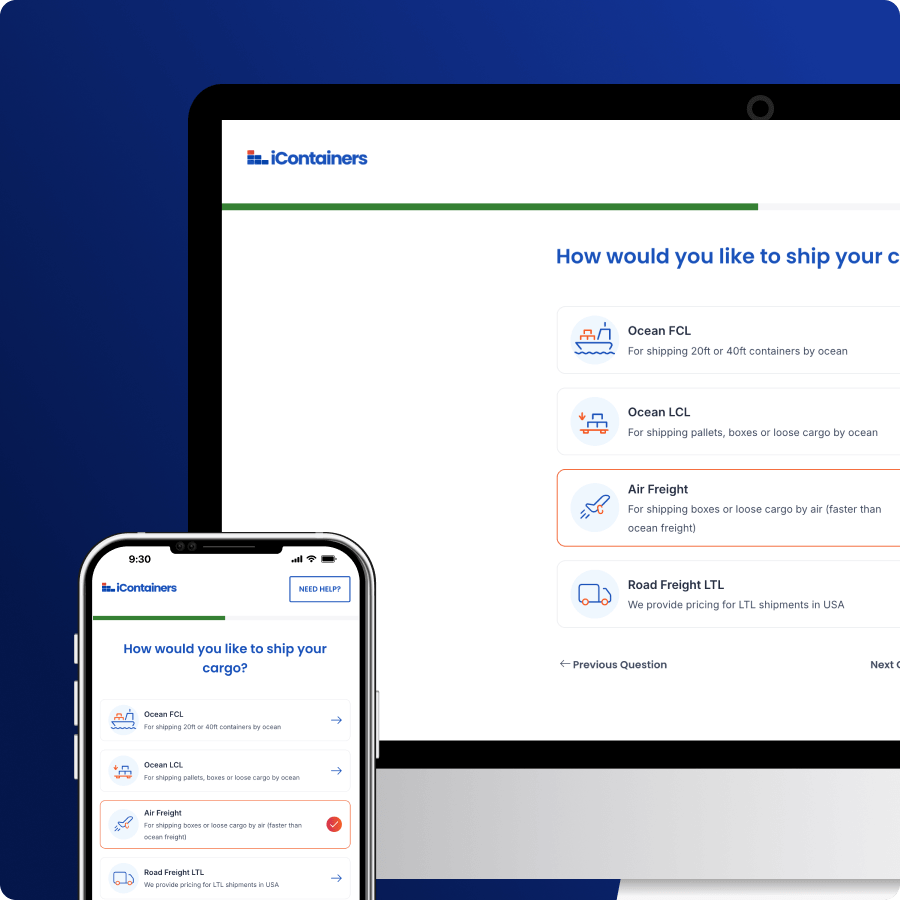 2025The dropdown that was mis-routing every lead94% leads routed right
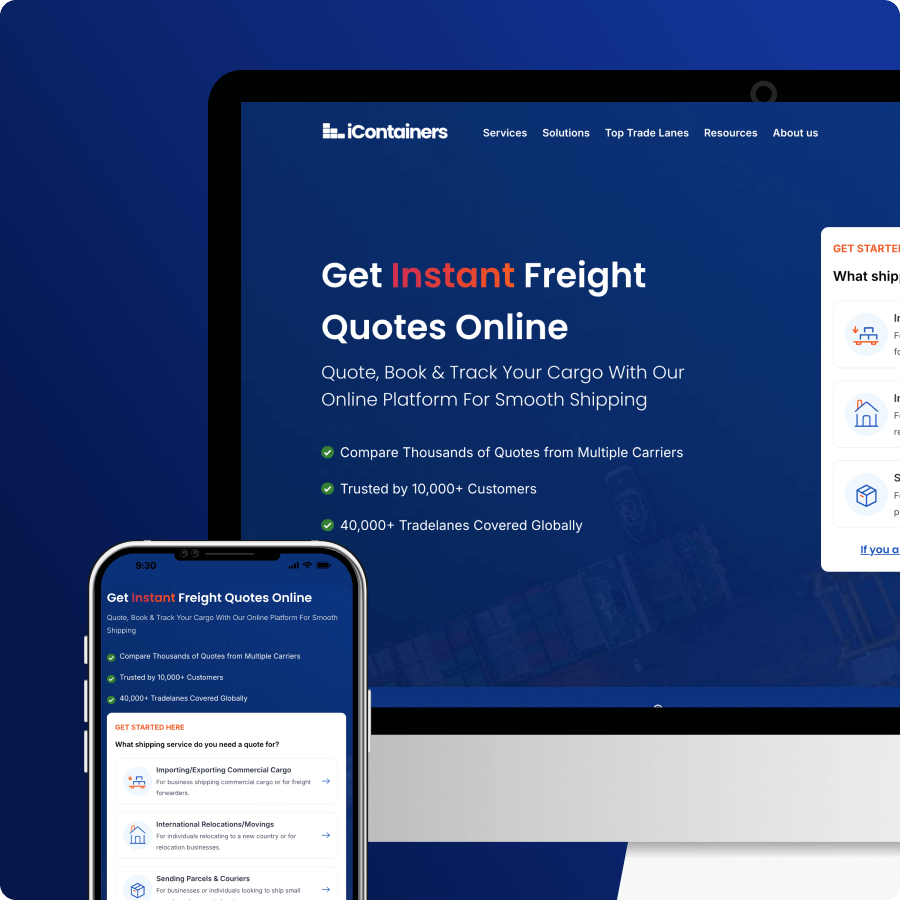 2024Migrating a 5,000-page legacy marketing site92% faster publishing
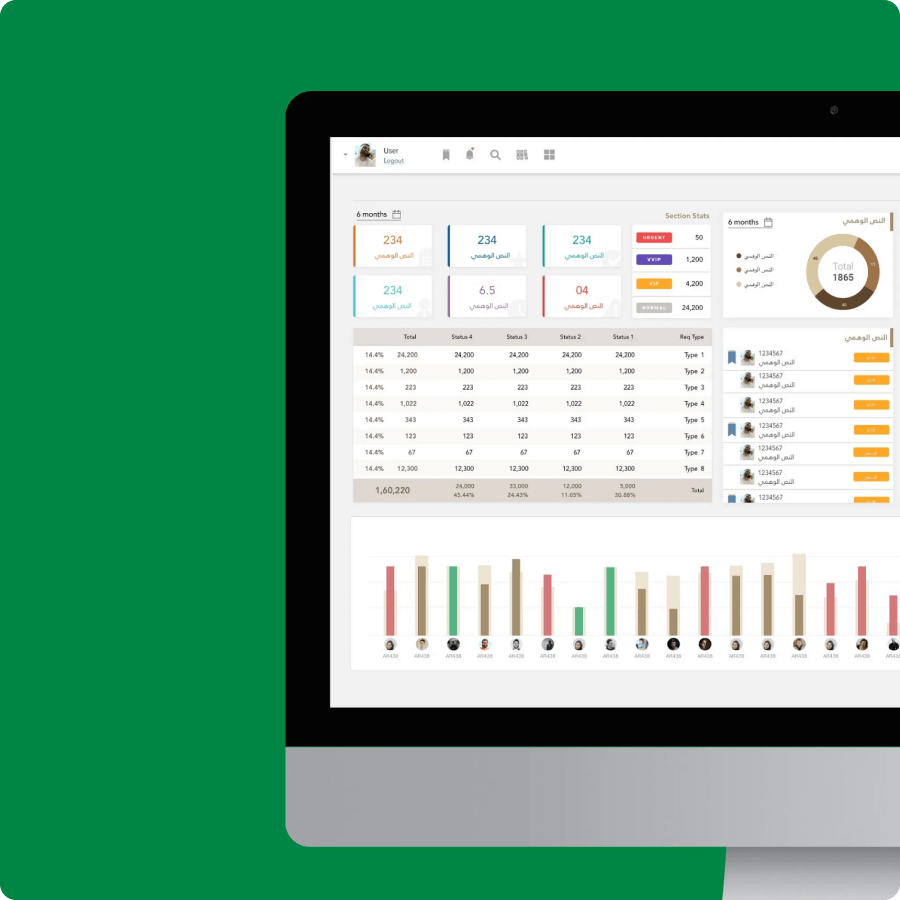 2017Enterprise UX for the Crown Prince Court, Abu Dhabi60% faster processing
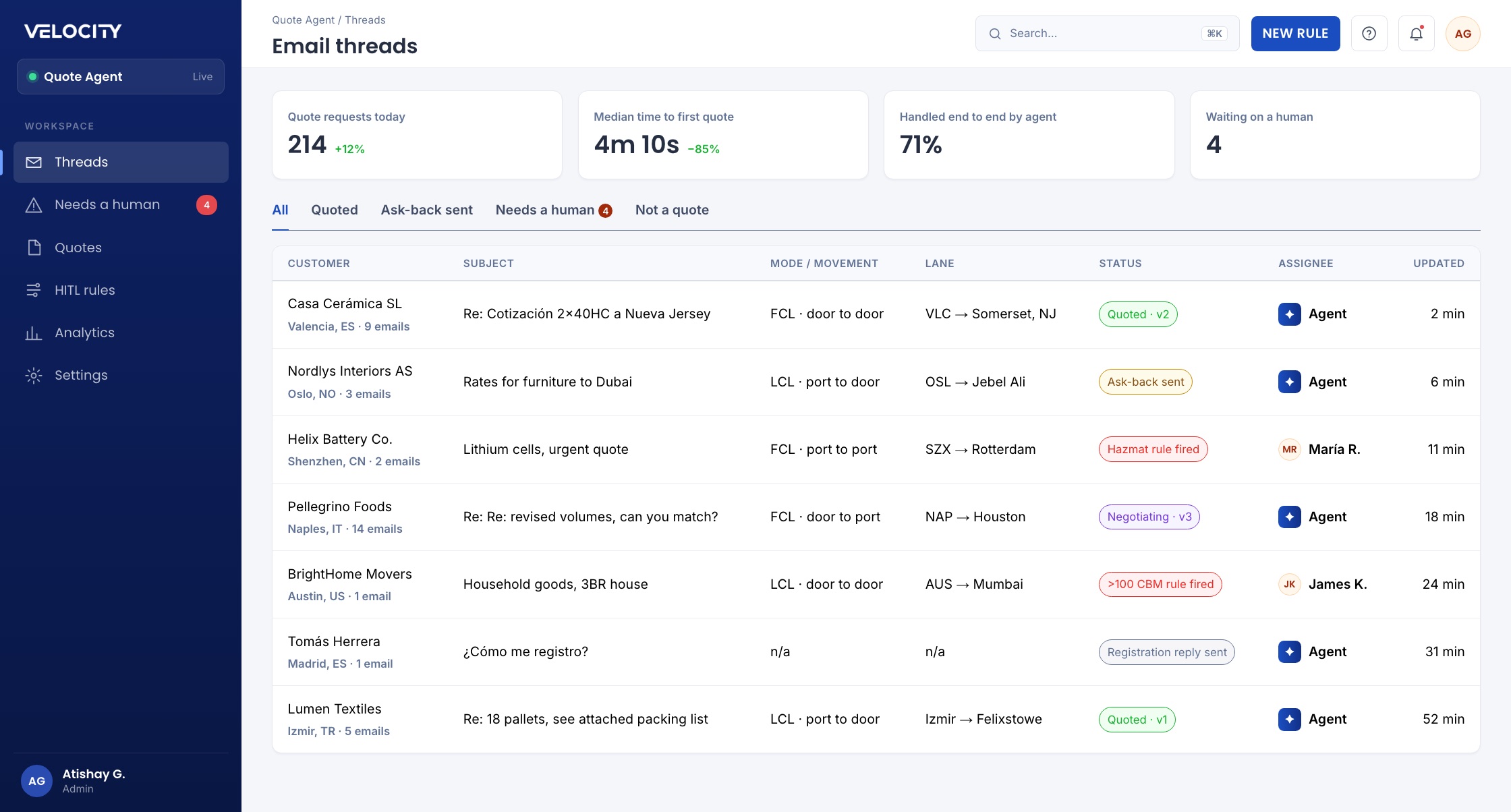 Agentic AI
Jun 2026Agentic quoting: from a sentence to a priced quote85% faster time to quote
 Agentic AI
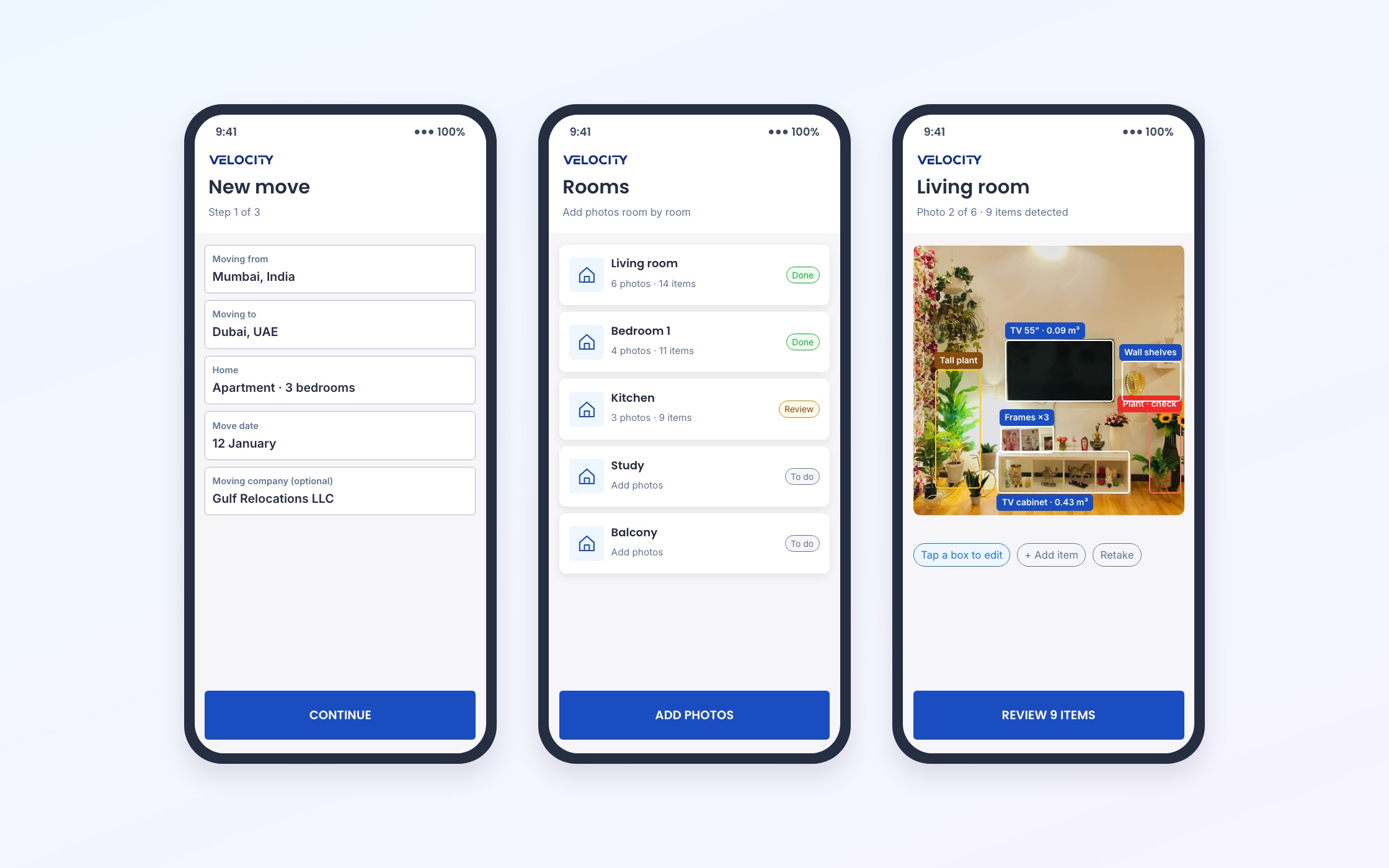
Feb 2026Photo-to-volume moving estimator80% more accurate quotes
 Agentic AI
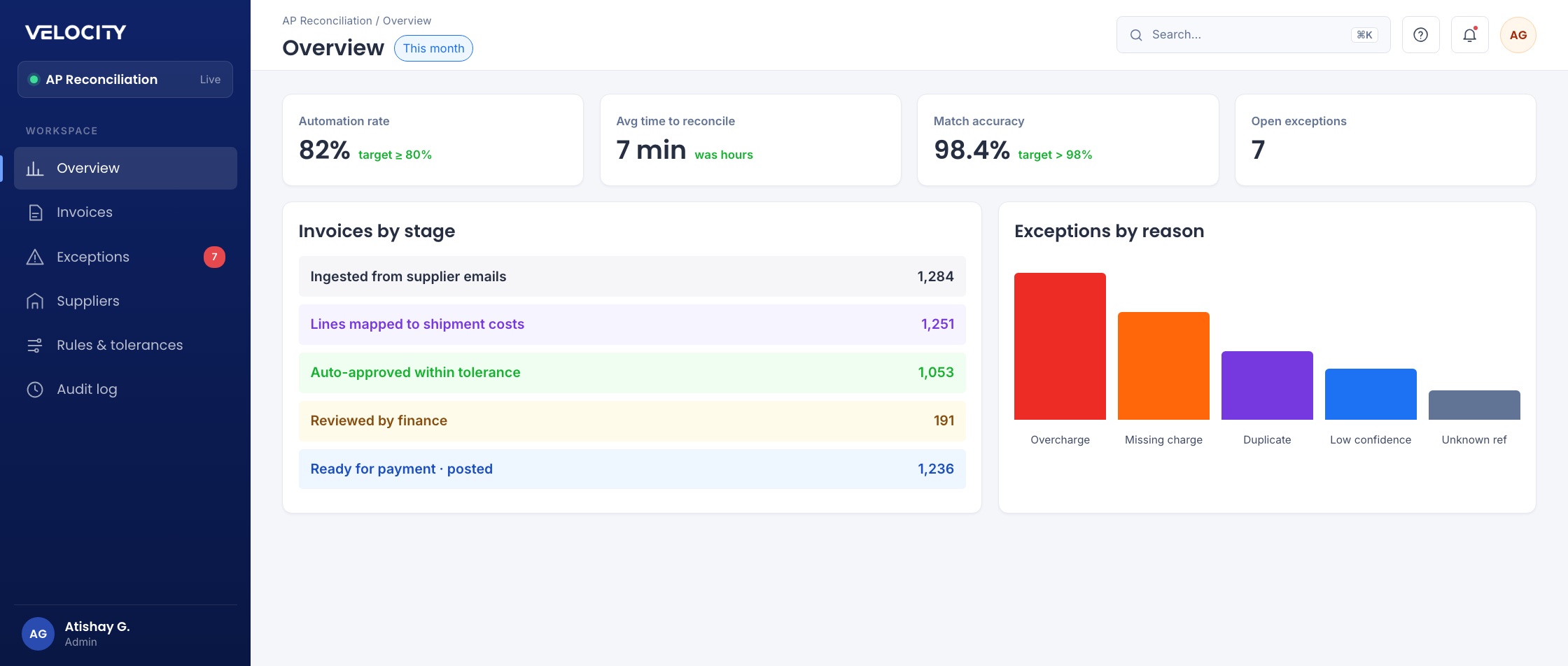
Aug 2026Agentic invoice reconciliation for finance70% confidence score in the PoC
Tell me what you're building and which hat it's missing.